The Munich employer market, seen from HR
Munich combines the headquarters of BMW, Siemens, Allianz, and Munich Re with a dense supplier and engineering base, the German offices of most of the large American technology companies, a media and insurance cluster in the northern suburbs, and two major universities that feed a steady flow of engineers and researchers into start-ups around Garching. Salaries are the highest in Germany, rents match them, and the large groups set expectations that a company of 200 people cannot easily meet.
For HR, that produces a particular vacancy problem. When the HR lead of a mid-sized Munich company leaves, the candidates who could replace them are being courted by employers with bigger brands and bigger budgets. Searches for a permanent HR lead in Munich take, in my experience and in the reports of the recruiters I work with, five to seven months, and the successful candidate then has a three-month notice period to serve. Ten months without an accountable HR lead, in a company that has a collective agreement, a works council, and a group abroad asking for reports, is the standard Munich situation an interim mandate solves.
The second characteristic is formality. A large share of Munich's industrial and insurance employers are bound by a collective agreement, either the metal and electrical industry agreement or the insurance agreement, and many have works councils that are decades old and professionally advised. Change in such companies, whether a new HR system, a bonus scheme, or a reorganisation, follows procedures that an HR lead has to know in detail. The scale-up culture of Berlin does not transfer here, and neither does the improvisation.
Typical HR situations in Munich mandates
The HR lead of an engineering supplier retires
Thirty years in the role, everything in her head, no documented processes, a works council chair she has known for two decades. The successor search will take half a year. Somebody has to hold the relationship and write down how things work.
A US technology group restructures its Munich office
The group decides in California, the German entity has 180 employees, a collective agreement does not apply but a works council does. Reconciliation of interests, social plan, selection criteria, and a leadership team that has never done this in Germany.
A supplier converts from combustion to electric
New skills, redundant skills, a qualification plan negotiated with the works council under the collective agreement, and a transformation the shop floor has to believe in. HR is in the middle of it for two years.
Where HR sits, and why it matters in Munich
In many mid-sized Munich companies HR reports to the CFO and is treated as payroll with a recruiting function attached. That works until the works council files its first formal objection, the group asks for a compensation benchmark, or a restructuring lands. Then the company discovers that nobody at the leadership table knows the collective agreement, and the CFO is negotiating a social plan on the side.
The first structural change in most of my Munich mandates is therefore positional: HR joins the leadership meeting, gets a direct line to the works council chair, and becomes the single point of contact for every manager with a people question. That is not a status matter. It is how a collectively bargained company with an experienced works council avoids the mistakes that cost the most: a dismissal without a proper hearing, a system rolled out without a works council agreement, a bonus scheme that breaches the collective agreement. The graphic above shows the shape. The role page Interim HR Manager shows what the role does once it is there.
The presence model: hybrid from Frankfurt
Frankfurt to Munich Hauptbahnhof takes around three and a quarter hours by ICE, with departures every half hour on the direct line through Nuremberg. The standard Munich rhythm is two consecutive on-site days a week, for most mandates Monday and Tuesday or Tuesday and Wednesday, with one hotel night. The outbound train leaves Frankfurt early enough for a ten o'clock leadership meeting; the return arrives back in Frankfurt in the evening. Wednesday to Friday are remote, with the Friday one-page report to the managing director.
The first two weeks of every mandate are full on-site weeks, because taking stock of contracts, open cases, deadlines, works council agreements, and relationships needs the building and the people. Works council negotiations, a restructuring, and the weeks around a merger integration push the on-site share to three or four days temporarily. For the northern suburbs, Garching, Unterföhring, Ismaning, and the airport region around Freising, the S-Bahn from the Hauptbahnhof adds twenty to forty minutes and changes nothing about the model. Travel and accommodation for the fixed days are agreed as a flat arrangement in the services contract.
Collective agreements and works councils in Munich
A collective agreement (Tarifvertrag) is a contract between an employers' association and a trade union that sets pay grades, working hours, holiday entitlement, and a range of other terms for every employer that is bound by it, either through membership of the association or through a reference clause in the employment contracts. In Munich the two agreements an HR lead meets most often are the metal and electrical industry agreement negotiated by IG Metall, which covers automotive suppliers and machinery firms, and the insurance industry agreement. Both run to hundreds of pages, both change every one or two years, and both leave the works council a defined role in applying them, particularly on pay grading and working time.
The works council (Betriebsrat) in a collectively bargained Munich company is typically experienced, trained by the union, advised by its own lawyer, and used to formal procedures. That is an advantage for an interim HR manager who knows the procedures, because an experienced council is predictable. Under Section 87 of the Works Constitution Act (BetrVG) the council has a consent right on working time, bonus and pay structures, and any technical system capable of monitoring employees. Under Section 99 it has to be involved in every hiring, transfer, and regrading in companies with more than twenty employees. Under Section 102 every dismissal needs a prior hearing. An international leadership team that learns these rules in the first week saves itself a year of friction.
My practice in Munich is the same as in every mandate: meet the works council chair in the first week, in German, before the first formal step is due; keep a deadline calendar the managing director can see; and brief the leadership team in English after every council session on what was agreed and what remains open. How performance processes are built so that line managers actually use them is described in the case study Building Talent Management Processes That Line Managers Actually Use. The financial side of a mandate, including how travel is handled, is under What an Interim HR Manager costs.
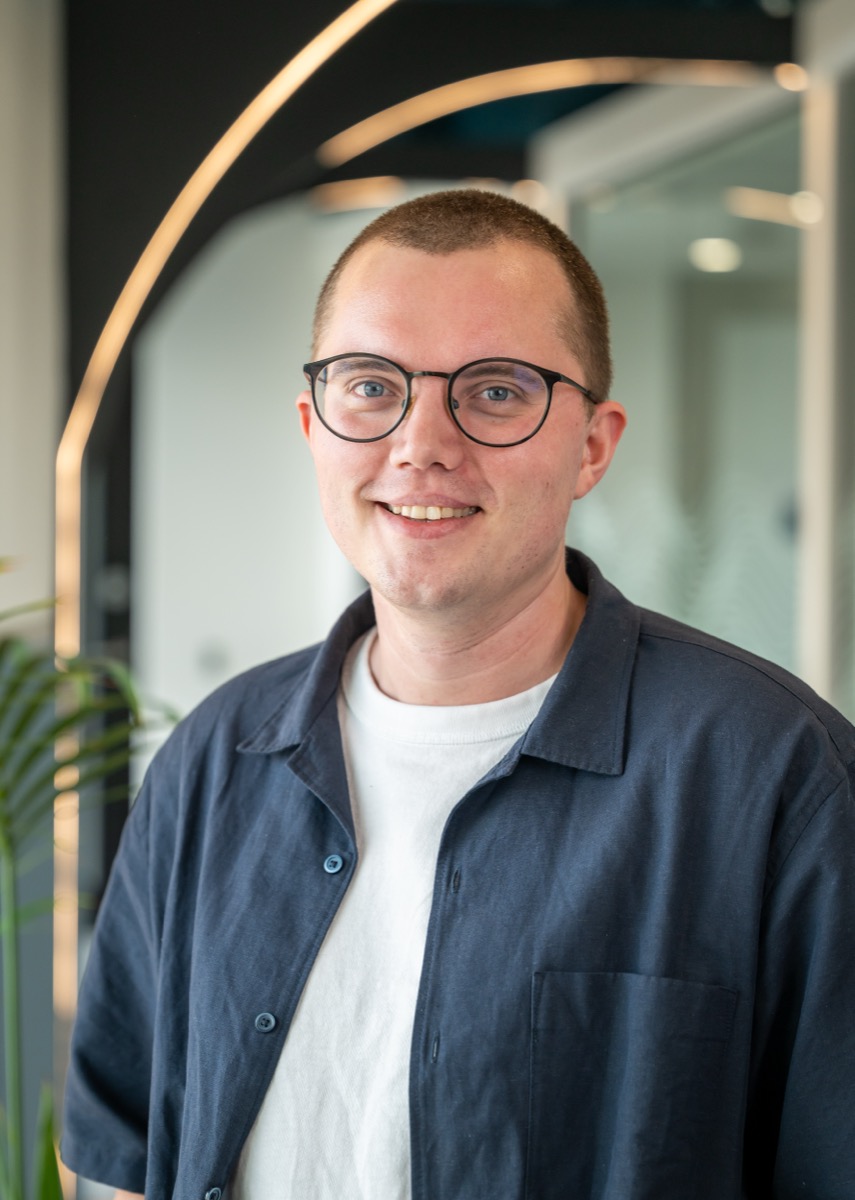
Works council experience from a bank and a consumer goods group; a region scaled from 70 to over 100 employees as HR Manager at a consumer goods company; a reorganisation across nine countries at a software company. More about me
Frequently asked questions about Munich
How often are you on-site in Munich?
Two fixed days a week as the standard, consecutive, with the ICE from Frankfurt at around three and a quarter hours each way. During the first two weeks and during works council negotiations, three to four days. The days are fixed at the start so that the works council and the leadership team can plan.
Do you have experience with collectively bargained companies?
Yes, from a bank and a consumer goods group, both with strong works councils and established co-determination. Grading and collective agreement details I check during the initial assessment with your existing HR records and, where needed, with your law firm. I have not run shift operations in a plant myself, and I say so openly. In Munich that background matters, because a large share of industrial and insurance employers are bound by the metal and electrical or the insurance collective agreement.
Our Munich entity belongs to a US group. Can you work with a US HR team?
Yes, and that is a common setup in Munich. I report locally to the managing director and coordinate with the group's people team on frameworks, systems, and compensation, while handling everything German-specific on the ground. Group calls in English, works council in German.
Is Munich too expensive a market for a mid-sized company to fill an HR lead role?
It is the market where mid-sized companies lose most candidates to the large groups, because BMW, Siemens, Allianz, and the big tech offices set the pay expectations. That is exactly why an HR lead vacancy in Munich stays open longer, and why bridging it is worth more than in a cheaper market.
Do you also cover the surrounding area, Garching, Unterföhring, Ismaning, Freising?
Yes. The technology and media employers in the northern suburbs and around the airport are part of the Munich market, reachable by S-Bahn from the Hauptbahnhof. On-site days are planned for wherever the office and the works council are.
What happens if the mandate turns into a restructuring?
Then the scope is adjusted and the presence share goes up. A restructuring with a reconciliation of interests and a social plan in a collectively bargained company is a project with its own timeline, described under Restructuring and Social Plan. I say early whether the mandate is heading there.