
HR in a plant is different from HR in an office
In a manufacturing company, HR does not run through Slack. It runs through the shift handover, the notice board and a works council that has seen four HR leads come and go. Every change, from a new time-recording system to a revised bonus scheme, touches a co-determination right under Section 87 of the Works Constitution Act (BetrVG), which means the works council has to agree before it happens, not be informed afterwards. Anyone arriving without plant experience tends to learn this at the first hearing, and by then the trust is gone.
On top of that sits the collective agreement. Most German industrial employers are bound to a sector agreement, most often in the metal and electrical industry, which sets pay grades, weekly hours, shift allowances and notice periods. Company-level agreements sit on top. HR has to know which rules apply to which groups, and where an apparently small change, such as moving a team from two shifts to three, triggers a formal procedure.
The industry itself is in transition. The move away from combustion-engine supply chains towards electrification and software is producing more restructurings with social plan requirements than at any time in the last decade, while at the same time the plants are short of skilled workers and need talent management that actually holds people. Both at once is the normal state of HR in this sector today.
Typical HR triggers in industrial companies
Three situations in which, in my experience, a managing director or plant manager calls:
A restructuring is coming
Volumes are down, a line is closing, or the group has decided on a headcount target. The works council needs a negotiating partner who knows the procedure, and management needs someone who has done it before.
The HR lead has left
Resignation, long illness, retirement without a successor. Hearings, deadlines and shift planning issues do not wait for a six-month search.
Works council relations have broken down
Every proposal ends in the conciliation committee (Einigungsstelle). Nothing moves. Someone from outside, with no history in the building, has to rebuild the working relationship.
Which role fits a manufacturing company
In plants the fit is almost always Interim HR Manager: full HR ownership, full-time, three to eighteen months, including the works council, the shift leads, the plant manager and the employment lawyers. Half a day a week is not enough when a hearing is due on Tuesday and the night shift wants an answer on Wednesday.
If the plant has a functioning HR team but the head of the plant needs a sparring partner for organisation, pay and difficult people decisions, HR Business Partner is the lighter option. And when the trigger is a concrete restructuring, the format is a scoped project, Restructuring and Social Plan, with a start date, a negotiated outcome and a date on which I am gone again.
A case from a past role
At a global consumer goods group I was HR Business Partner in a permanent role for a business unit without a works council. Performance reviews and talent management had been framed at headquarters and did not yet exist as a working process in the unit. Instead of rolling the corporate template out unchanged, I built it with the line managers: criteria they could actually apply, a review conversation they had practised before the first cycle, and transparency for employees on what happens with a review. Where a works council exists, as in most plants, the same build runs with a co-determination agreement before the first cycle rather than a dispute after it. The write-up, anonymised, is under Building Talent Management Processes That Line Managers Actually Use.
The restructuring side is documented too: a reorganisation across nine countries in three months at a software company, carried out in full compliance with employment law and co-determination. The examples are under case studies.
How an engagement runs
30 minutes, directly with me. You describe the plant, the works council situation and what is coming. Within one working day I say whether and from when I can help.
Applicable agreements, open hearings, deadlines, pending cases. Meeting the works council chair and the shift leads in person. Day-to-day HR keeps running.
Hearings and cases handled on time, negotiations prepared with the lawyers, talent and shift issues worked through with the plant manager. A one-page weekly report to management.
Documented processes, agreements filed, open items with status, and if wanted the permanent HR lead recruited and onboarded.
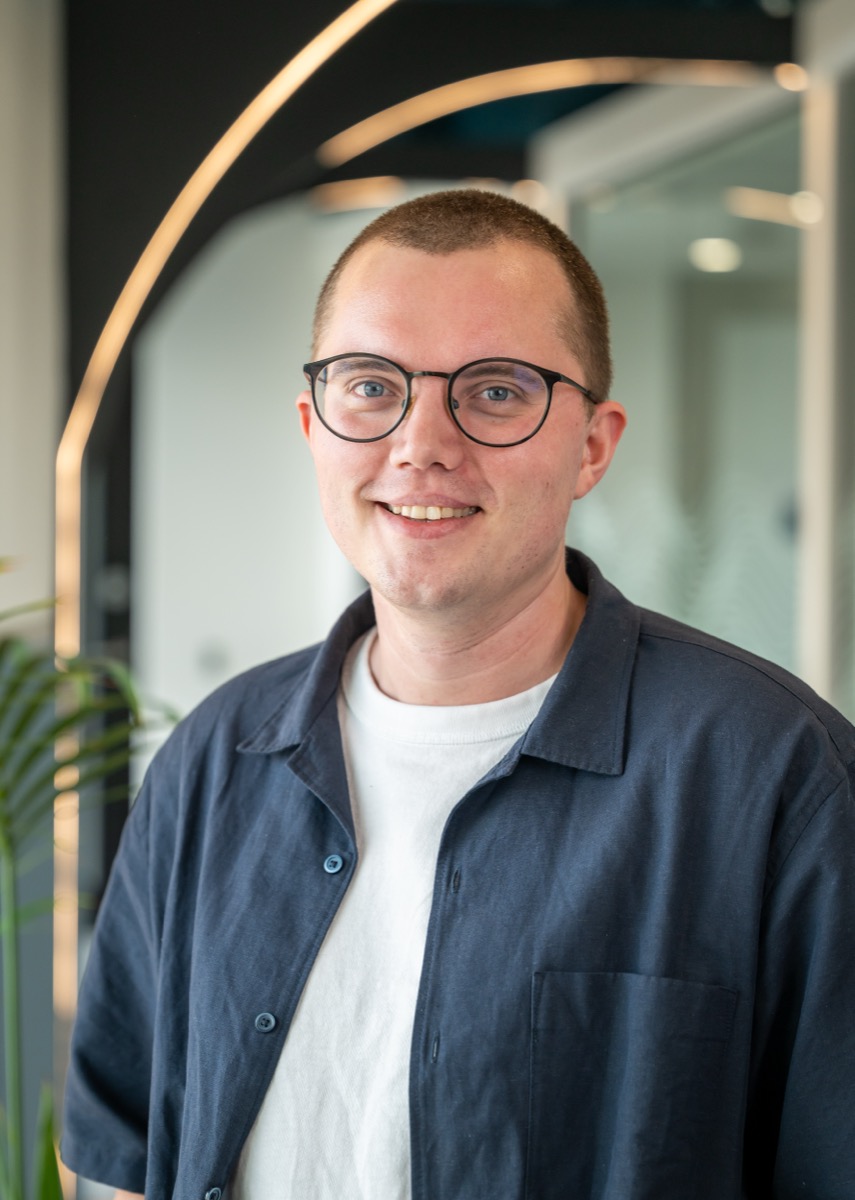
Restructuring and co-determination from permanent roles: a reorganisation across nine countries at a software company, talent management at a consumer goods group. More about me
Questions from plant and general managers
Do you have experience on a factory floor, not just in offices?
Not on the factory floor in my own line responsibility, and I say so openly. What I bring is industrial experience with restructuring and co-determination: a reorganisation across nine countries in three months at a software company, talent management processes at a consumer goods group, and system rollouts negotiated with the works council at a bank. Shift schedules, time accounts and collective pay I take up in the first week with your HR records and the works council.
Do you take on restructurings with a social plan?
Yes, as a scoped project. A restructuring under German law runs through a reconciliation of interests (Interessenausgleich) and a social plan (Sozialplan) negotiated with the works council. I have carried that out, in cooperation with the company's employment lawyers, and describe it under Restructuring and Social Plan.
How much time do you spend on-site?
In a plant, more than in a software company. The works council, the shift supervisors and the plant manager need to see the HR lead in the building. In Rhine-Main I am on-site regularly; elsewhere in Germany I work with fixed on-site days per week, agreed with the works council.
Our workforce is partly covered by a collective agreement. Does that change your work?
It shapes it. A collective agreement (Tarifvertrag) sets pay grades, working time and notice rules that HR cannot deviate from downwards. I check early which agreements apply, to which groups, and where company-level agreements sit on top of them.
Can you work with an established works council that distrusts management?
That is the normal starting position in many plants after a difficult year. I meet the works council chair in the first week, before the first hearing, and I say in advance what is legally possible and what is not. Trust comes from that, not from presentations.
Do you also handle the transition to a permanent HR lead?
On request, yes. After a few months I know the plant better than any job description. I run the interviews with you and onboard the successor in the final weeks of the engagement.